
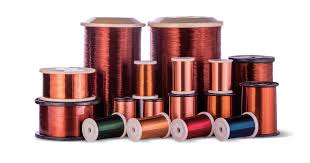
Automotive Wire
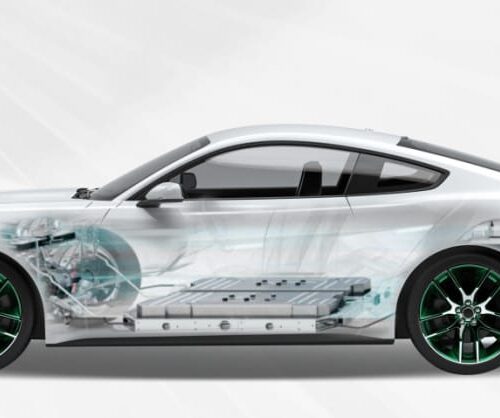
| 1. High Conductivity: This allows for efficient transmission of electrical energy (such as starting current and motor drive current), reduces heat loss during current transmission, and prevents heat-related line aging or failure, meeting the low impedance requirements of automotive electrical systems. 2. Excellent Mechanical Strength and Fatigue Resistance: This enhances its tensile strength, bending resistance, and fatigue resistance, preventing wire breakage caused by long-term vibration and ensuring line stability. 3. Heat and Environmental Corrosion Resistance: enhance its resistance to moisture, oil, and chemical corrosion, making it suitable for harsh environments such as the engine compartment and chassis. 4. Good Electromagnetic Compatibility (EMC). reduce electromagnetic radiation generated during current transmission and protect against external electromagnetic interference, thereby preventing any impact on the signal stability of onboard electronic equipment (such as navigation and autonomous driving sensors). 5. Lightweight and spatial adaptability: This reduces the space occupied by the wire and allows for compact fit within vehicle interiors and chassis. Furthermore, multi-strand thin copper wire offers greater flexibility, facilitating bending and routing, meeting the requirements of complex vehicle body structures. |

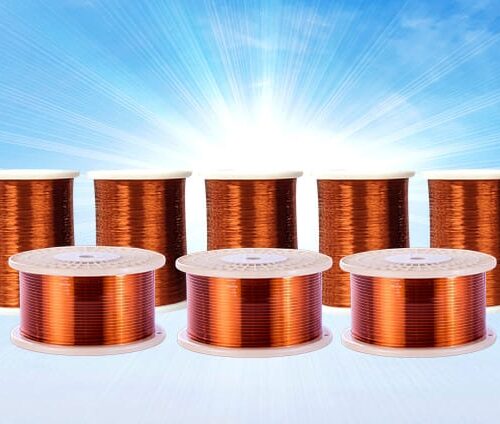
Automotive wires, including 7 varieties, used in 23 automotive parts. 0.04-3.25mm.
You must be logged in to post a review.

Reviews
There are no reviews yet.